
Cantrip
Piping the Fish
(Mischief Records)
The word "cantrip" refers to both a magical spell and a deception. It's also the name of a Scottish quartet whose new album will make you think someone must have cast a spell to keep this superb band from garnering more acclaim. Cantrip features rollicking jig, reel and strathspey sets anchored by Dan Houghton's energetic bagpipes, foundational fretwork from Cameron Robson, and the fancy fiddle work of John Bews and Gavin Marwick. Many of the tunes are mined from Scotland's ever-growing pipe-tune collection, perfect for Houghton's piping grace notes and exciting departures from Bews and Marwick. Add the occasional vocal and detours into Breton and Scandinavian music, and you get an enchanting potion. —Rob Weir
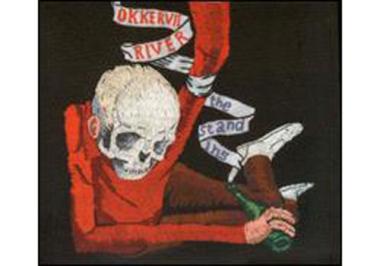
Okkervil River
The Stand Ins
(Jagjaguwar)
This companion piece to last year's standout The Stage Names finds former New Hampshirite Will Sheff once again mining the fertile lyrical terrain of stardom, art and artifice to great effect. At times lush and dreamy, at others romping and rollicking, Okkervil River has left the lo-fi folk behind on their last few albums and is now coupling astute storytelling with high-end production. The Stand Ins sounds like a bittersweet breakup letter from the road set to music, one layered nicely with piano, organ, horns and flourishes of percussion. —Matthew Dube
Amanda Palmer
Who Killed Amanda Palmer
(Roadrunner)
One of my greatest musical regrets is having stayed home on the Halloween my ex-girlfriend tried to take me to see the Dresden Dolls at Pearl Street. Amanda Palmer has, with a mix of genuine angst and compositional skill both lyrical and instrumental, evolved into one of the most interesting musical characters since Roger Waters. You could call her a Tori Amos with a nut sack, but you'd miss the other nuances of piano-based pop that she's expertly absorbed from McCartney, The Who, Bowie, Spoon and, of course, traditional cabaret. I don't know if she's ever done any film music or written a rock opera yet, but her stuff is so naturally visual that she really should. —Tom Sturm
Gilberto Gil
Gilberto Gil (a.k.a. Cerebro Electronico)
(Water)
Available for years only as pricey imports, Gilberto Gil's self-titled albums from the late 1960s have been reissued. Both are essential, but 1969's Cerebro Electronico represents the apex of Tropicalia. It's a heady mix of tape collage, Hendrix guitar squalls, electronic effects, psychedelic textures and catchy melodies. Recorded shortly before the government sent Gil into exile, it delivers a go-for-broke synthesis that still leaves listeners slack-jawed. The tunes bounce between John Cage and samba, but Gil holds them together with his honeyed voice, supple rhythms and playful humor. Confronted with repression, Gil fought back with visionary, omnivorous music. The results continue to resonate. —Jeff Jackson