
Historically, Rioja and Ribera del Duero haven’t exactly pumped adrenaline into my palate. And I’m not alone. They’re two famed wine regions in northern Spain but, aside from perhaps a special occasion, average Joes don’t go cuckoo for it.
For everyday consumption, California’s juicy fruitiness is winning the competition for thirsty mouths against austere Europe—at least, among those not aging wine. And producers in Rioja and Ribera del Duero know this. So they decided to change up their dusty, Tempranillo-based grape juice and make wine the new-fashioned way: upgrading to modern equipment, becoming judicious with their use of oak barrels, and letting the fruit shine through. A recent tasting of both regions showed me they’re onto something.
One reason Rioja [ree OH ha] remains elusive is (as in so many other European countries) the restrictive production standards and labeling. A quick primer: “Crianza” on a bottle of Rioja indicates the wine has aged at least a year in oak and then spent some time in bottle before being released after two years; “Reserva” also enjoys a year-long oak sojourn, then a minimum of a year in bottle, and is sold after it turns four; “Gran Reserva” wines are only made from the best vintages, aged for two years in oak, and placed on the market after six. I lean towards the Reservas, but it all depends on your love for wood in your wine.
One standout winery creating riffs in the Rioja establishment is Vila Viniteca Paisajes—a partnership between Barcelona’s top wine merchant Quim Vila and Rioja producer Miguel Angel de Gregorio of Finca Allende. They produce a group of pricey, limited, single-vineyard Riojas that cast off conventional practices, using modern techniques to craft intensely fruity, softly tannic and complex wines that drink like heaven. They operate much like negociants in France, who buy juice, fruit or finished wine from a grower and create their own blend. Then they bottle and label it under their name. Delicious stuff.
Growers in Ribera del Duero [ree-BEAR-a del DWEAR-o], a high altitude region southwest of Rioja, historically dumped their fruit into the village co-op wine vats. This resulted in a wine stew with little or no complexity or character, so their reputation floundered. But about 15 years ago, impoverished and watching the boom in worldwide consumption pass them by, they realized what consumers want: better wines for the money. Many began bottling under their own names, increasing quality by limiting crop yields—growing less fruit on the vines to concentrate the nutrients in fewer grapes. Their tannic Tempranillos are tempered with Merlot, Malbec and Garnacha (Grenache) grapes to smooth out the tough-flavored edges. Ribera employs quality level designates, similar to Rioja, based on how long the wine sits in oak barrels (from least to longest): Cosecha, Roble, Crianza (or Crianca) and Reserva. This usually dictates price as well, but not necessarily value.
I’m not sure how these Spanish regions will fare in an American wine marketplace dominated by domestics, but time will reveal all. However, if you’re looking for a more food-friendly alternative to the easy-sipping California Cabernets, Rioja and Ribera might be just what your tongue ordered.
Recommended Wines:
Vila Viniteca Paisajes Rioja III, V, VII
Earth-moving wine. Powerful, rich and loaded with juicy fruit, restrained vanilla oakiness and an elegance rarely achieved in Rioja. Sweetness=1. $32- $50. 5 stars and worth every penny.
Sierra Cantabria 2007 Tinto Rioja
Sexy and very soft but not at all sweet. Red fruit like raspberry, cherry, delicate oakiness and solid acidity on the finish. Sw=1. $12. 4 stars.
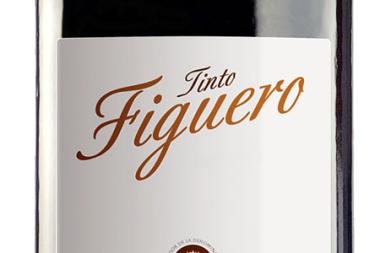
Figuero 2005 Crianza 12 Ribera del Duero
The “12” indicates how much time the wine spent in oak. Fresh, ripe black cherry, plums with mild tannins and mint. Finishes with an earthy, astringent flavor. Sw=1. $30. 3.5 stars.