
Jubilee Riots
Penny Black
(Independent release)
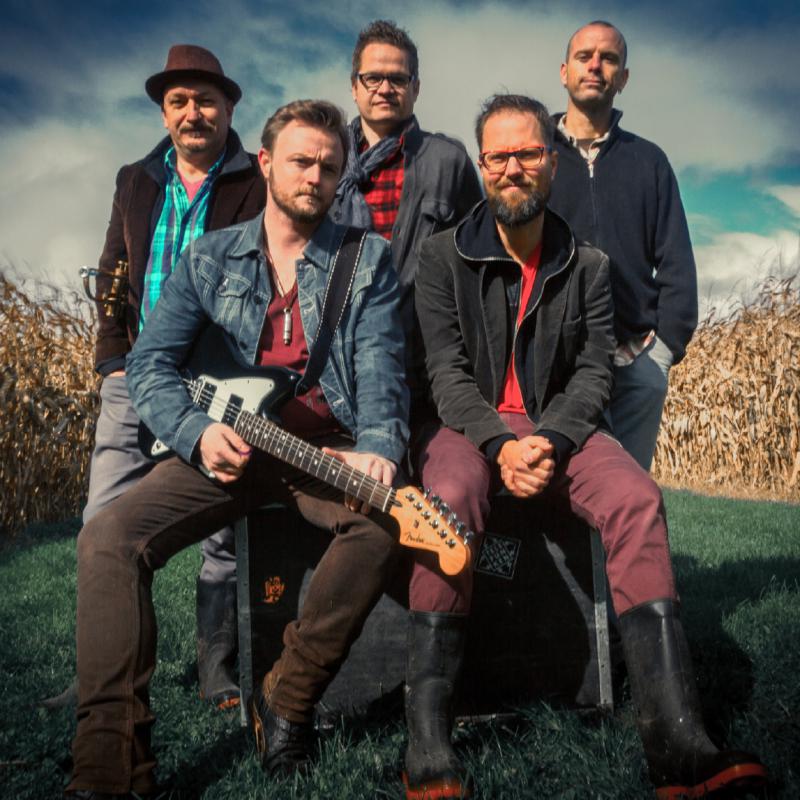
In March 1995, Toronto musician Craig Downie was down on his luck — he had a few songs written for an impending gig, and no band to play them. But within a week or two, his contacts in the city’s Celtic music community saved his arse, and his new troupe, called Enter the Haggis, quickly became a big-hearted, hard-rocking fixture in the pub scene, playing head-bopping hybrids of traditional reels, old-country ballads, and punked-up folk jams.
Twenty years on, Downie is the only remaining original member of the band, which has spun years of extensive touring (including many shows in the Valley) into a golden cult following. But with seven studio albums under their belts and new creatives urges calling, the band decided last year to cut down on the bagpipe and fiddle and start branching out.
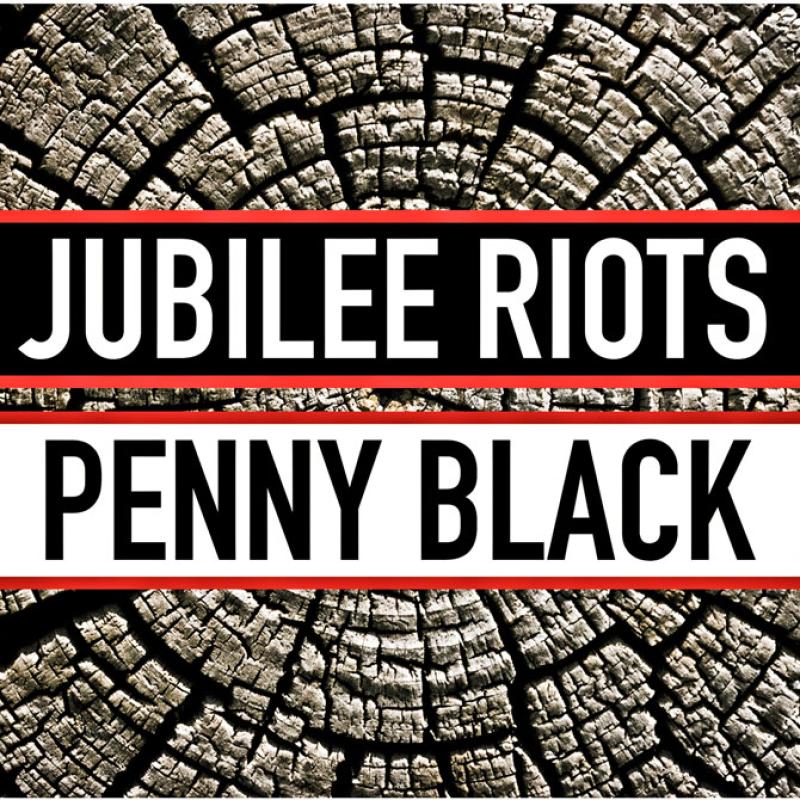
Last year, they rebranded themselves as Jubilee Riots — named for a series of uprisings in Toronto’s Irish neighborhoods in the 1870s — and on their “second first” record, Penny Black, they’re exploring some new sonic channels. The 11-track album is full of catchy hooks, sharp instrumentals, and a roots-rock ethos that sounds more radio-friendly and mainstream but still respects the band’s reputation for quirky arrangements, brash solos, and plaintive storytelling.
The crowd-funded Penny Black features song lyrics inspired by stories submitted by fans. These written entries evoke travel and adventure, alienation and connection, love and loss, and the struggle to act with courage. Big themes, for sure. And Jubilee Riots can’t always find a firm grip on these voices that are so like, but not quite, their own.
When the songs on Penny Black work — like the alt-country earworm “Two Bare Hands,” the haunting Celtic tune “Astray,” the raise-your-lighters soul anthem “Rapture,” and the funky, rollicking “Song Plays On” — Downie and friends prove they’ve still got buckets of talent and charm to spare.
But there are a few more misfires than usual. The thinly drawn “Cut the Lights” swells with radio-friendly crescendos but falls to earth pretty quickly. “Traveler” starts on an enjoyably weird note, with trumpets and jingle bells, then leans bombastic, somehow growing less catchy as it goes along. And the two-dimensional “The President’s Shoes” sounds like a B-side by Dispatch or some other such indie campus strumfest circa 1998.
What kind of music, exactly, does Jubilee Riots want to start making now, beyond the Celtic curtain? The jury’s still out, probably until the next album, but I suspect they’ll realize that they are already a pop-rock band, and have been for years. Put the bagpipe away, sure, but be wary of stripping too much texture along with it.
Still, there is ample pleasure to be had in the learning process. Penny Black’s opening track, “Trying Times,” seems to methodically unwrap the possibilities: it opens with plinking piano keys, banjo licks, and a brooding bass line, then builds and shifts between playful drums, brawny guitar, echoing reverb, distorted harmonica, handclaps, and choral backing vocals.
If they can have as much fun in concert as they did putting that song together — and I can promise that their live shows do not disappoint — I think we’ll continue to be happily surprised by what has gone into the haggis over all these years.
Jubilee Riots, a.k.a. Enter the Haggis, plays three shows at the Iron Horse Music Hall in Northampton on Dec. 30 and Dec. 31. Penny Black is available for purchase online.•