
In the world of silent film, comedy was gold. The very nature of the medium, with its necessary physicality—the demonstrative, almost charade-like theatricality used to express what sound could not—seems designed for pratfalls and pulling faces. In other words, a love story is less direct than a pie in the face.
When we look back on that era now, two names consistently rise to the surface: Charlie Chaplin and Buster Keaton. For years, Charlie Chaplin was the undisputed king; his Little Tramp is so entrenched in our collective memory that it was probably his image that came to mind when you read “silent film comedy.” Keaton’s rep came later, as his early work was rediscovered by a new generation. A more natural athlete than Chaplin—at age three, little Buster was already part of his family’s acrobatic vaudeville act, and even Jackie Chan cites him as an influence—his films tended to be less sentimental and more physical than Chaplin’s, and perhaps more easily discounted by earlier critics.
Today the pair enjoy a kind of dual reign, with a natural ebb and flow lifting first one and then the other to the crest of our public consciousness. (Ignore those outliers who pump for Harold Lloyd.) Everyone has a favorite horse in the race, and if I had to choose, I’d fly the Keaton flag; but the beauty of art is that there are no winners, and we get to enjoy it all.
This week, Amherst Cinema makes a case for the Little Tramp when it kicks off its Charlie Chaplin Festival. Bringing a half dozen films to the area in crisp, new 35mm prints, the cinema promises to do for Chaplin what its summer series did for Hitchcock—remind us that these are not just films to be consumed at home, but classics that deserve a big screen treatment.
The first installment is The Circus, Chaplin’s 1928 comedy of mistaken identity. It begins as most of the Tramp films do: with Charlie penniless, hungry, and about to fall desperately in love. Fate intervenes when he is wrongly identified as a pickpocket; during his long escape run, the police pursue him into a circus tent, where a bored crowd is brought to life by the hijinks.
Hired on by the ringmaster, the Tramp quickly falls for the girl equestrian (Merna Kennedy). But his quest for love faces two daunting challenges: the ringmaster is also the girl’s controlling, abusive father; and high wire artist Rex has his own thoughts of romance. Hidden away for years—made during one of the hardest chapters of Chaplin’s personal life, when he seemed ready to forget it—The Circus proves to be one of his most riotous comedies.
*
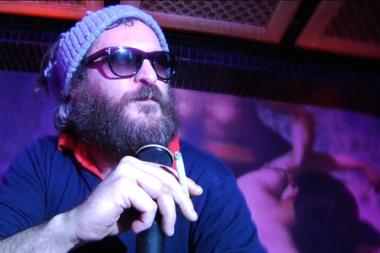
Also this week: Even if you missed it in its late-night original, you probably heard about Joaquin Phoenix’s bizarre appearance on Letterman some months ago, ostensibly to announce his retirement from Hollywood in favor of a burgeoning hip-hop career. The interview was a mess of mumbles. Phoenix sat stony behind beard and sunglasses, prompting Letterman to snark; “I’m sorry you couldn’t be here tonight,” he remarked as the segment ended.
The release of I’m Still Here, a supposed documentary by Casey Affleck, makes one wonder how much of a puton that interview was. With a title that plays on an unconventional Bob Dylan biography (I’m Not There), the film follows Phoenix for a year as he embarks on his new path. Was it all a setup for an experiment in celebrity? Does Phoenix still dream of being the next Eminem? See it and decide.
Jack Brown can be reached at cinemadope@gmail.com.